Why a Ten Minute Walk After Eating Is Worth Trying
Of all the habits written about on this site, the ten minute walk after a meal asks for the least. No clothes to change, no equipment, no booking, no skill. It also has the clearest trigger available in a day, which is the moment a plate is put down.

The shortest habit there is
Ten minutes is a strange length. It is too short to feel like exercise and too long to be nothing, which is exactly why it works as a habit. Nobody negotiates with themselves about ten minutes. The internal argument that kills a forty minute walk, the one about whether there is really time, does not get started.
It also fits into the shape of a working day without displacing anything. A lunch break is rarely spent eating for its full length. The ten minutes usually come out of the part afterwards that was going to be spent at a desk looking at a phone, which is a fair trade by most accounts.
The general mechanism people give for walking after eating is unremarkable and widely repeated: gentle movement after a meal is easier on the body than sitting straight back down. We are not going to overstate it. What we can say is that the habit is unusually easy to keep, and that a habit you keep beats a better habit you do not.
Why straight after
The timing matters less for any physiological reason than for a practical one: straight after the meal is the only moment in the day when the trigger is unambiguous. An hour later there is no signal. Two hours later the afternoon has closed over.
Attaching a new habit to the end of an old one is the single most reliable technique in this whole magazine, and eating is the most dependable old habit there is. It happens two or three times a day, it happens at roughly the same times, and it has a clear end point. That structure is what the entry on shrinking a habit down to its two minute version is built around.
THE NEIGHBOURING HABIT
A walk at one o'clock is also ten minutes of daylight, which is the other habit we keep recommending and the one people find hardest to schedule on its own. Getting both from a single decision is the reason this walk is worth more than its length suggests. The light side of the argument is in the entry on afternoon light exposure.
The route decides it
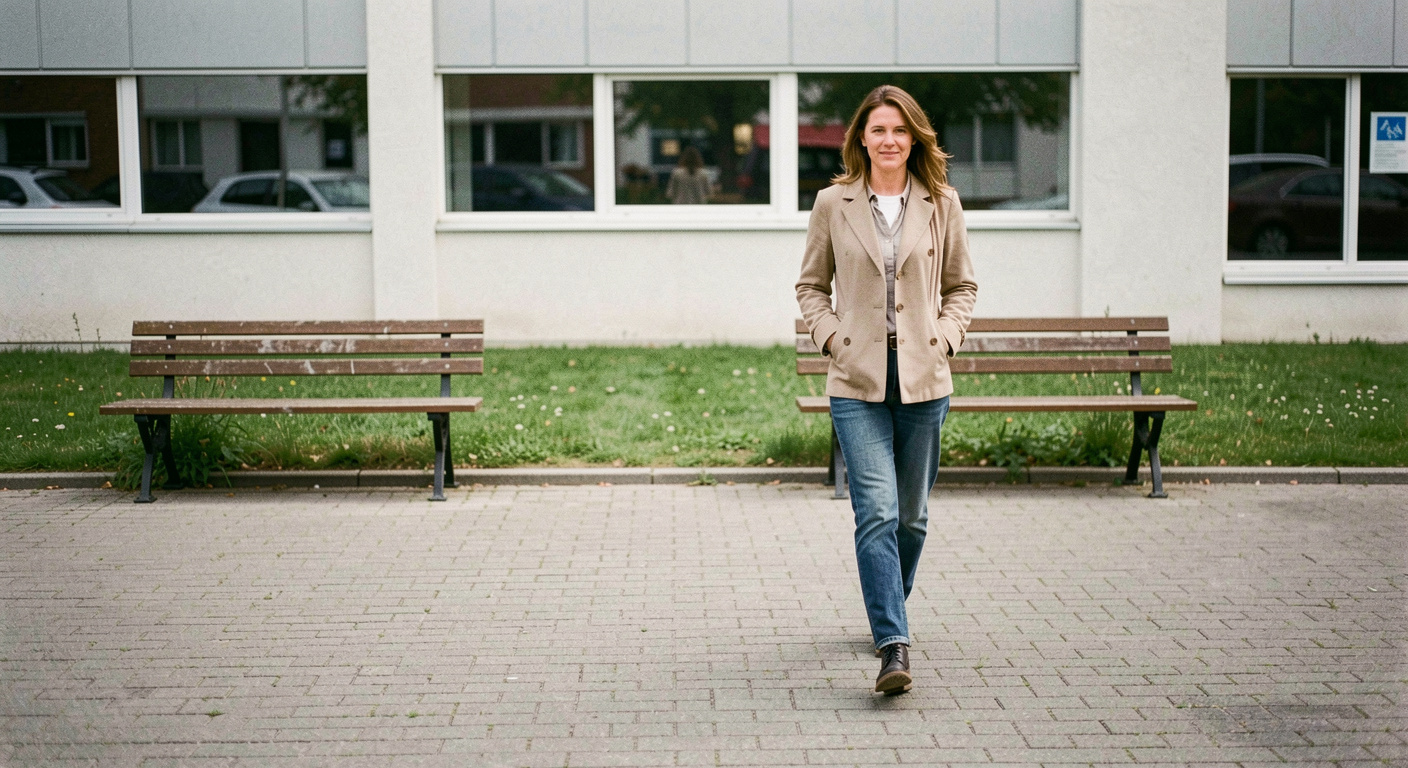
The single most common mistake is choosing a destination. There is a park eight minutes away, so the walk becomes a sixteen minute walk plus the time in the park, which is twenty five minutes, which does not fit, which means it happens on Tuesday and not again.
A loop solves this. A block, a courtyard, a stretch of canal and back, anything that ends where it started and can be cut short at any point without failing. The rule of thumb we ended up with is that the route should be one you can turn around in at any moment without the walk becoming a mistake.
| Route type | Typical fate | Why |
|---|---|---|
| Loop round the building | Survives | No decision, no distance, cannot overrun |
| Out to a park and back | Fails in week two | Fixed cost, no way to shorten it |
| Errand with a purpose | Survives while the errand exists | Borrowed motivation, ends when the errand does |
| No fixed route at all | Never starts | Every day requires a fresh decision |
Three ways it dies
The first is the meeting at one o'clock. Nothing kills a lunchtime habit faster than a calendar, and the only defence we have found is a second slot, later in the afternoon, that is allowed to be the fallback rather than a failure.
The second is weather, or more precisely the absence of a coat. A walk that requires going back upstairs for a jacket is a walk with an extra step, and extra steps are where habits go to die. Keeping something wearable near the door is a small logistical fix with a disproportionate effect.
The third is upgrading it. Once the ten minutes are established there is a strong temptation to make them twenty, then to add a route, then to time it. That turns a habit back into a project. If the pace question is what is pulling at you, it is worth reading the entry on slow walks against brisk ones before changing anything, because the two are not interchangeable.
A habit dies of upgrades more often than it dies of neglect.
The evening version
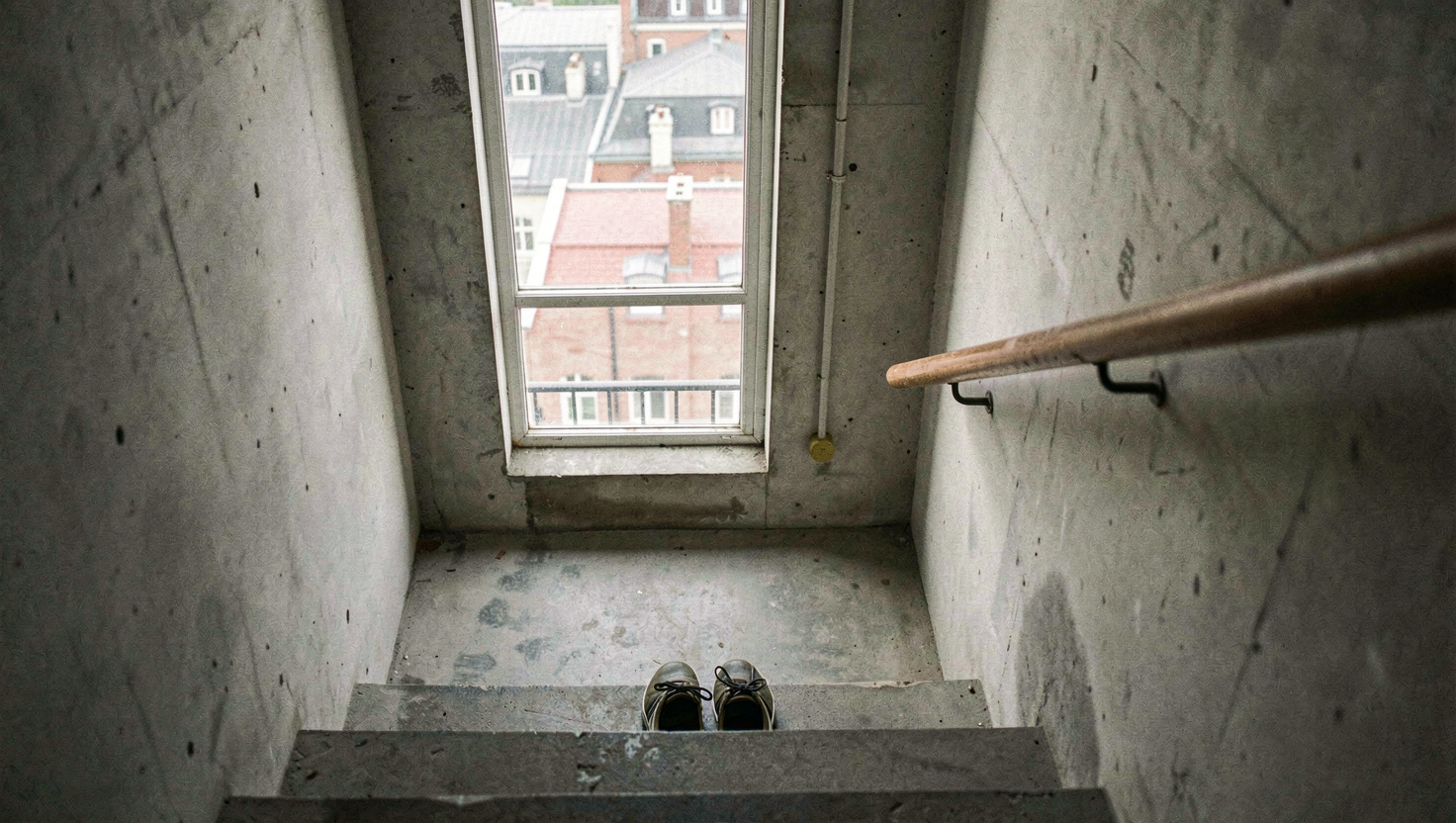
The version after dinner is a different animal. It is longer by default, it is often shared with someone, and it sits directly in front of the evening, which means it interacts with the wind down sequence rather than with the working day. Kept short and unhurried it tends to fit neatly at the front of an evening routine, which is described step by step in the piece on winding down in four moves.
Kept long and brisk, it does something else entirely, and there is a reasonable case that a fast walk at nine at night is working against the rest of the evening. Which is another reason the pace question deserves its own treatment rather than a sentence here.
What we noticed
Two weeks of notes, one household, one office. The lunchtime version happened on the days without a one o'clock meeting and not otherwise, which is a scheduling fact rather than a motivation fact. The evening version happened more often than we expected, mainly because it was easier to start when someone else was going too.
The observation we would keep is about the return. The ten minutes changed the shape of the afternoon less by any effect on the body than by breaking the block: the afternoon started again rather than continuing. Whether that is worth calling energy we would not want to say. It is worth calling a boundary, and boundaries inside a working day are the same tool used at a larger scale in the piece on closing the laptop and meaning it.
Read next
The obvious next question is how fast to go, which is the entry on matching walking pace to the moment of the day.
The same ten minutes double as a daylight habit, and the case for that is made in our entry on afternoon light exposure.
A walk after a meal is easier when the meal itself was unhurried, which is the subject of the entry on how long a meal actually takes.
If the reason for the walk is a body that has been folded into a chair since nine, the fix upstream is the rhythm between standing and sitting.